Toolbox Talk: Fall Protection
September 1, 2026
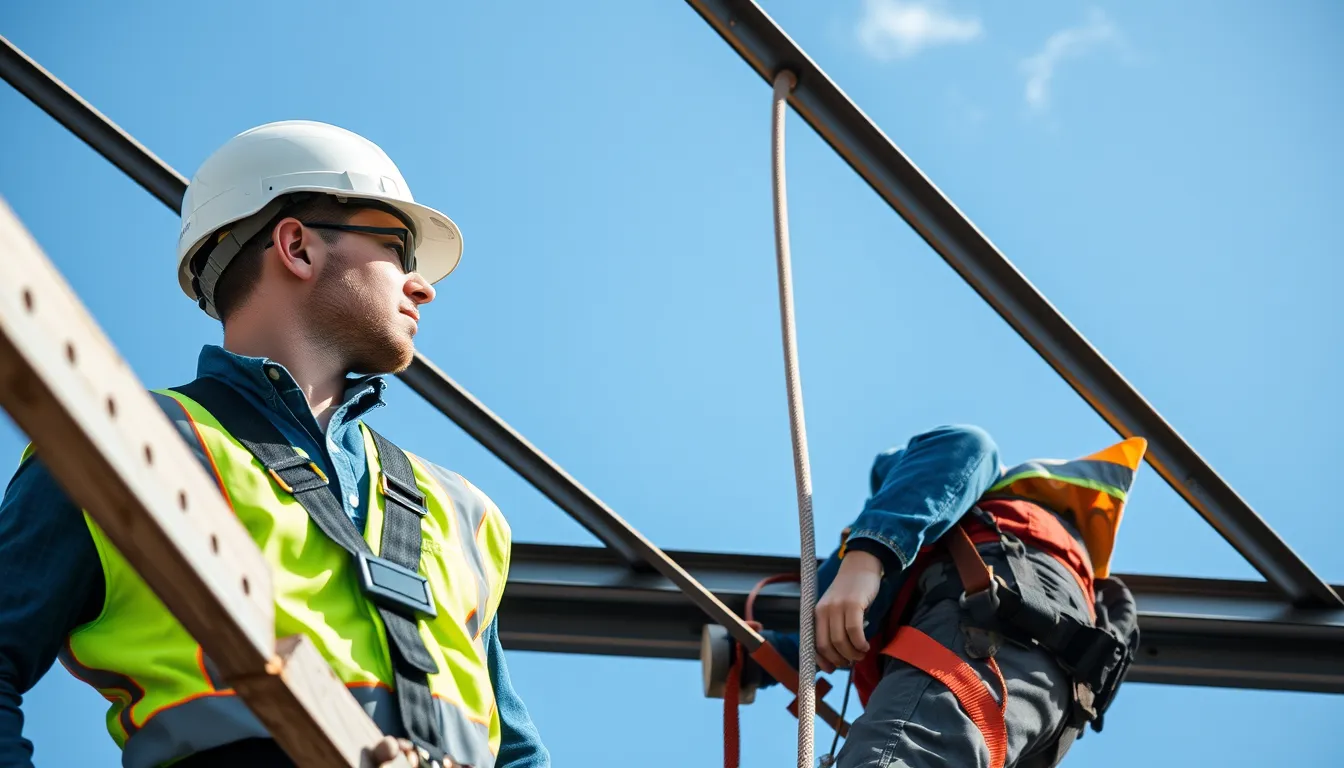
Toolbox Talk: Fall Protection
Use this talk when: crews are working at height today — roofs, leading edges, scaffolds, floor openings, or anywhere above six feet in construction.
Falls are the number-one cause of death in construction, year after year. Most of them are preventable with equipment the crew already has. Here's a five-minute talk you can read straight off your phone.
Why this matters
In construction, fall protection is generally required at six feet or more above a lower level (four feet in general industry). Falls account for more construction fatalities than any other hazard — and the tragedy is that the protection is usually right there on site. People fall because they didn't tie off "just for a minute," because a guardrail was removed and not replaced, or because a floor opening wasn't covered.
The hazards
- Unprotected edges — roofs, balconies, leading edges, and elevated platforms.
- Floor and roof openings — skylights, shafts, and holes that aren't covered or guarded.
- Improper or missing equipment — no harness, no anchor, or a harness worn wrong.
- Removed guardrails — taken down for access and never put back.
- Wrong anchor points — tying off to something that can't hold a fall.
Key points to cover
- Know your trigger height. At six feet, you need protection — guardrails, a personal fall arrest system, or a safety net. No exceptions for "quick" tasks.
- Inspect your harness every time. Check the webbing for cuts, frays, and burns; check the D-rings and buckles; check the lanyard and shock pack. A harness with a deployed shock absorber is done — take it out of service.
- Anchor to something rated. Your anchor point must hold 5,000 lbs per worker, or be part of an engineered system. Not a pipe, not conduit, not a random beam clamp.
- Mind your fall clearance. Do the math — lanyard length plus deceleration distance plus your height plus a safety margin. A six-foot lanyard off a low anchor can put you on the ground before it stops you.
- Cover and guard openings. Covers must support the load and be marked and secured. If you remove a guardrail for access, put it back before you leave.
- Have a rescue plan. Suspension after a fall is its own emergency. Know how you'd get someone down quickly.
Discussion questions
- Where are the fall hazards on our site today?
- What's the correct anchor point for the work we're doing right now?
- If someone fell and was left hanging in a harness, what's our plan to get them down?
Log the talk
Record this talk — topic, date, and who attended — so it counts toward your safety program. BuildLog keeps toolbox talk records with your daily reports, timestamped and backed up. For more topics, see our toolbox talk topics list and OSHA toolbox talk requirements.
This talk is general safety information, not a substitute for OSHA-compliant training or your site's fall protection plan.
Keep your safety talks documented. Log them free with BuildLog.
Get the BuildLog app
Write the day's report, log hours and attach photos — from the site, on your phone.


BuildLog is a free construction daily report app for contractors — download the app or read the guides.