Toolbox Talk: Scaffold Safety
September 1, 2026
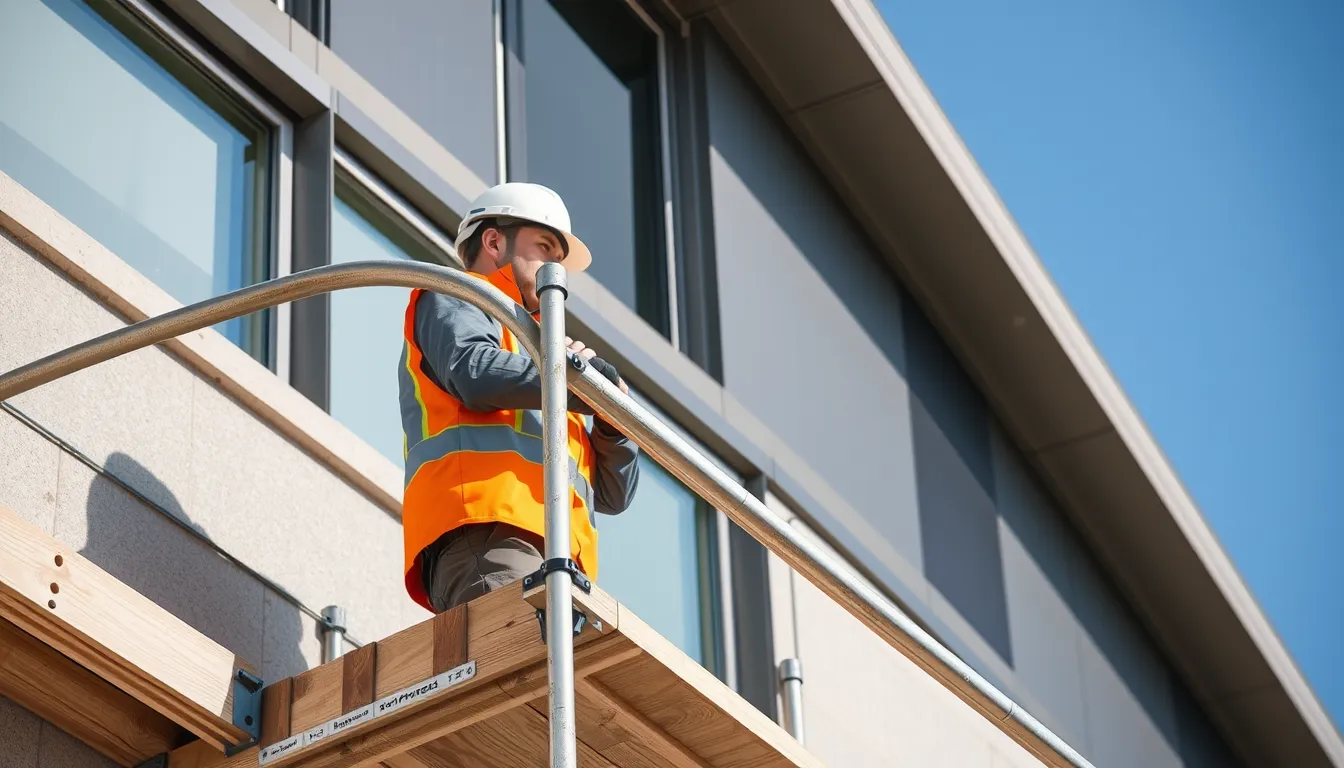
Toolbox Talk: Scaffold Safety
Use this talk when: anyone's building, moving, or working from a scaffold today. Scaffolds put crews at height for hours at a time, and problems often come from how the scaffold was set up before anyone climbed on.
Why this matters
A huge number of workers use scaffolds, and scaffold-related incidents injure and kill many of them every year. The causes cluster around a few failures: planking that gives way, being struck by falling tools or material, and falls from platforms without proper guardrails. Most of it is set-and-inspect discipline.
The hazards
- Falls — from platforms without guardrails, or during climbing and access.
- Collapse — overloading, missing bracing, bad footing, or improper assembly.
- Struck-by — tools and materials falling from the platform onto people below.
- Electrocution — scaffolds erected too close to power lines.
- Bad access — climbing the frame instead of using a proper ladder or stair.
Key points to cover
- Inspect before every shift. A competent person inspects the scaffold before each work shift and after anything that could affect it. If it hasn't been inspected and tagged, don't get on it.
- Full planking, secured. Platforms should be fully planked, planks in good condition and secured so they can't shift or tip. Watch the gaps.
- Guardrails on open sides. Top rails, mid rails, and toe boards on open sides and ends above the trigger height. Toe boards and screens keep tools from falling on people below.
- Sound footing and support. Base plates and mud sills on firm, level ground. Never on blocks, bricks, or loose fill. Fully braced and, where required, tied to the structure.
- Access properly. Use the built-in ladder or a stair tower. Never climb the cross-bracing.
- Respect load limits. Know the rated capacity and don't overload with material.
- Mind power lines. Keep the required clearance from energized lines — assume every line is live.
Discussion questions
- Has today's scaffold been inspected and tagged by a competent person?
- Are the platforms fully planked and the guardrails complete?
- How are we keeping tools from falling on people working below?
Log the talk
Record this talk with your daily report so it counts toward your program. BuildLog keeps toolbox talk records with your daily logs. See our fall protection talk and the full topics list.
General safety information, not a substitute for a competent-person inspection or OSHA-compliant scaffold training.
Keep your safety talks on record. Log them free with BuildLog.
Get the BuildLog app
Write the day's report, log hours and attach photos — from the site, on your phone.


BuildLog is a free construction daily report app for contractors — download the app or read the guides.