Daily Reports as Legal Evidence in Construction Disputes
August 23, 2026
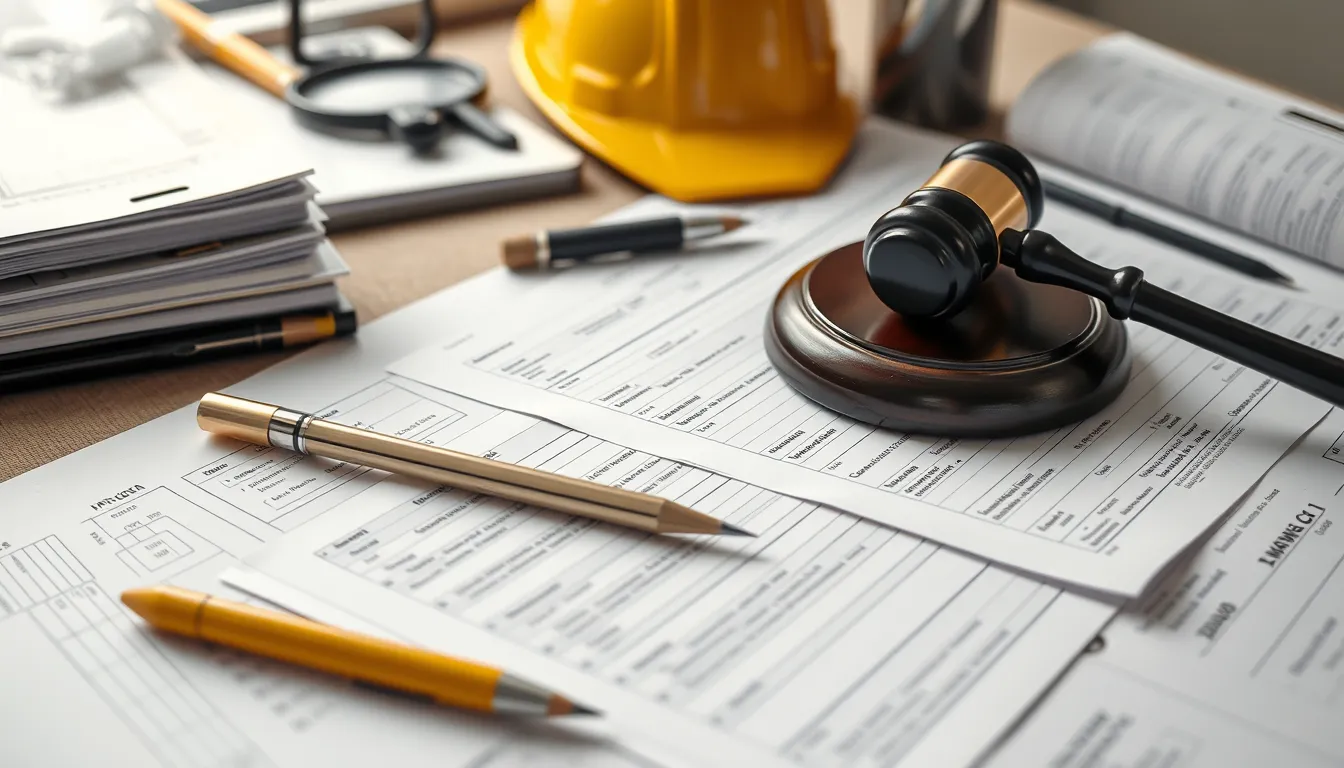
Daily Reports as Legal Evidence in Construction Disputes
When a construction dispute reaches litigation or arbitration, the daily reports come out of the file — and the side with better records usually prevails. But not every daily report carries the same weight. A consistent, contemporaneous record can be decisive; a sloppy or backfilled one can be dismissed or even used against you. This guide explains what makes daily reports hold up as legal evidence and the habits that keep your records credible.
This is general information, not legal advice. Rules of evidence vary by jurisdiction; consult a construction attorney about any specific dispute.
Why daily reports carry legal weight
Daily reports are valued as evidence because they're contemporaneous business records — created in the ordinary course of running a project, on the day events happened, before anyone knew there'd be a dispute. That quality is exactly what makes them credible: a record made routinely, when there was no reason to shade it, is far more persuasive than testimony reconstructed years later for the purpose of winning. This is why the same-day discipline matters so much — it's not bureaucratic, it's what gives the record its power.
What makes a report credible in a dispute
Several qualities separate reports that hold up from ones that get picked apart:
Contemporaneous. Created on the day, in the normal course of business. The foundation of everything.
Consistent. An unbroken run of daily reports. Gaps — especially on the days something went wrong — invite the argument that the record is selective or unreliable.
Objective. Factual and unemotional. Reports full of blame and speculation read as advocacy, which undermines their credibility as neutral records.
Detailed and specific. Times, quantities, names, locations. Specificity reads as truth; vagueness reads as guesswork.
Tamper-evident. Records with clear dates and a stable history are harder to challenge than loose pages that could have been altered or added later.
Habits that protect your records
The report's evidentiary value is built day by day, through simple discipline: write every report the same day; file one every working day without gaps; stick to facts and leave out blame; be specific with times and quantities; back written entries with timestamped photos; and store everything somewhere stable and backed up. None of this is complicated — but it has to be habitual, because you can't create a credible contemporaneous record retroactively once a dispute has started.
The backfilling trap
The most damaging thing a team can do is reconstruct or "clean up" reports after a dispute looms. Backfilled records are often detectable, and once one entry is shown to be created after the fact, the credibility of the entire record collapses — and can suggest bad faith. If your reporting has gaps, the honest path is to acknowledge them, not to paper over them. The only real protection is to have kept the record properly all along.
Records built to hold up
The tension is familiar: legally strong records require same-day, consistent, detailed, tamper-evident discipline — exactly what's hard to sustain by hand across a long project. A system designed for it removes the friction.
BuildLog produces records with the qualities disputes reward. Every report is timestamped and dated automatically, stored with a stable history that's hard to dispute, and backed up so nothing is lost. Photos attach to entries with their own timestamps, entries are specific by design, and the branded PDF export gives you a clean, consistent record for any period. Because it's fast and works offline, keeping an unbroken same-day record is realistic every day — which is what makes the record credible if you ever need it. There's a free tier to start.
Frequently asked questions
Are construction daily reports admissible as evidence? Generally yes — as contemporaneous business records — though admissibility rules vary by jurisdiction. Their weight depends on being consistent, objective, and created in the ordinary course of business.
What makes a daily report credible in court? Being contemporaneous, consistent, specific, objective, and stored in a stable, tamper-evident way. Same-day creation is the most important factor.
Can I fix or backfill old reports before a dispute? No — reconstructing records after a dispute looms can be detected and can destroy the credibility of your entire record. Keep the record properly from the start instead.
Keep records that hold up. Try BuildLog free — iPhone, iPad, and Android.
Get the BuildLog app
Write the day's report, log hours and attach photos — from the site, on your phone.


BuildLog is a free construction daily report app for contractors — download the app or read the guides.