Documenting Weather Delays in Construction
August 23, 2026
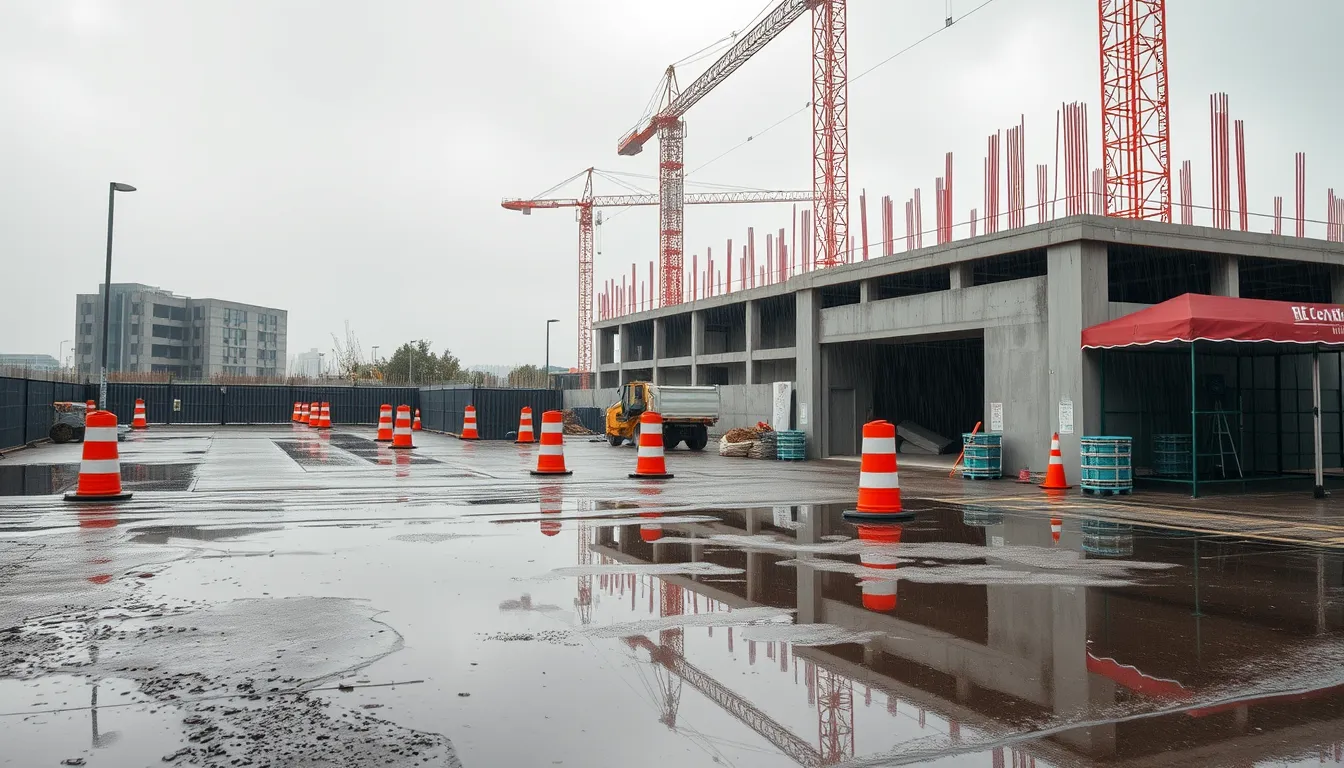
Documenting Weather Delays in Construction
Weather is the most common cause of construction delay — and one of the most disputed. Rain, extreme heat, cold, and wind stop work constantly, but a weather delay only earns you a time extension or protects you in a claim if it's documented properly. Vague notes like "rained today" won't do it. This guide shows you how to document weather delays so they actually hold up.
This article is general information, not legal advice. Your contract's specific weather and notice provisions govern any real claim.
Why weather delays get disputed
Almost every construction contract addresses weather, usually distinguishing normal or anticipated weather (which you're expected to plan around) from abnormal or unusually severe weather (which may justify an extension). The fight is almost always over which one applies — and whether the weather actually stopped critical work. Winning that argument requires two things: proof of the conditions, and proof of their impact. Most teams document the first and forget the second.
What to record for every weather event
A defensible weather delay entry captures more than the forecast:
Actual conditions on site. Temperature, precipitation, wind — the real numbers at your location, not a regional forecast. Site conditions can differ sharply from the nearest airport reading.
Time of day. When conditions began and ended, and exactly when they affected work. "Heavy rain 6:00–10:30, exterior work halted until 11:00 while site drained."
The specific work stopped. Which activities couldn't proceed, and whether they were on the critical path. This is the impact half most people skip — and the half that decides the claim.
Crew and equipment impact. Crews sent home or reassigned, equipment idled. This ties the weather to real cost.
Photos. Standing water, snow cover, mud, flooded excavations — images that prove the conditions were genuinely work-stopping.
Compare against the baseline
An abnormal-weather argument needs a normal to compare against. Many contracts reference expected weather days per month for the region, and keeping your own running record of weather days across the project lets you show when a month ran well beyond the norm. A daily report that logs weather every day — the clear days as well as the storms — builds exactly this baseline, and makes the abnormal days stand out credibly.
Follow your contract's notice requirements
Documentation supports a claim; it doesn't replace the contract. Most contracts require notice of a weather delay within a set number of days, and a missed notice deadline can bar an otherwise valid claim. Your daily reports are the factual backup, but check your contract's weather and notice clauses and submit any required notice on time. When in doubt on a significant claim, talk to a construction attorney.
Capturing weather delays automatically
Weather documentation fails in the usual way: it's tedious to record real conditions, times, and impact every single day, so it gets reduced to "rain" — which proves nothing. The fix is to make daily weather capture effortless.
BuildLog builds weather into every daily report: log conditions in a tap, note the exact times work was affected and which activities stopped, flag idled crews and equipment, and attach photos of the conditions on the spot. Because it logs weather every day, it builds the running baseline that makes an abnormal month provable — and every entry is timestamped, backed up, and exportable as a branded PDF. It works offline, and there's a free tier, so a weather record you can stand behind costs nothing to start.
Frequently asked questions
How do you document a weather delay in construction? Record actual site conditions (temperature, precipitation, wind), the times work was affected, the specific activities stopped, the impact on crews and equipment, and photos — every day, not just on the worst ones.
What's the difference between normal and abnormal weather delays? Normal (anticipated) weather is expected and planned around; abnormal (unusually severe) weather may justify a time extension. Contracts distinguish them, and a running weather record is how you prove a period was abnormal.
Do I need to give notice of a weather delay? Usually yes. Most contracts require notice within a set time, and missing it can bar the claim. Documentation supports the claim; follow your contract's notice provisions separately.
Turn every weather day into a defensible record. Try BuildLog free.
Get the BuildLog app
Write the day's report, log hours and attach photos — from the site, on your phone.


BuildLog is a free construction daily report app for contractors — download the app or read the guides.